Innovative Senior Memory Care Strategies
Pioneering aged cognitive care frameworks address the nuanced challenges experienced by subjects with neurological decline. By incorporating modern tools, social networks, and interactive activities, these approaches attempt to strengthen life satisfaction. Smart monitoring systems and digital tools play vital roles supporting information in protecting individuals and advancing cognitive stimulation. Nevertheless, the performance of these approaches depends upon diverse factors that justify extensive analysis. Which notable innovations are exhibiting most significant in authentic environments?
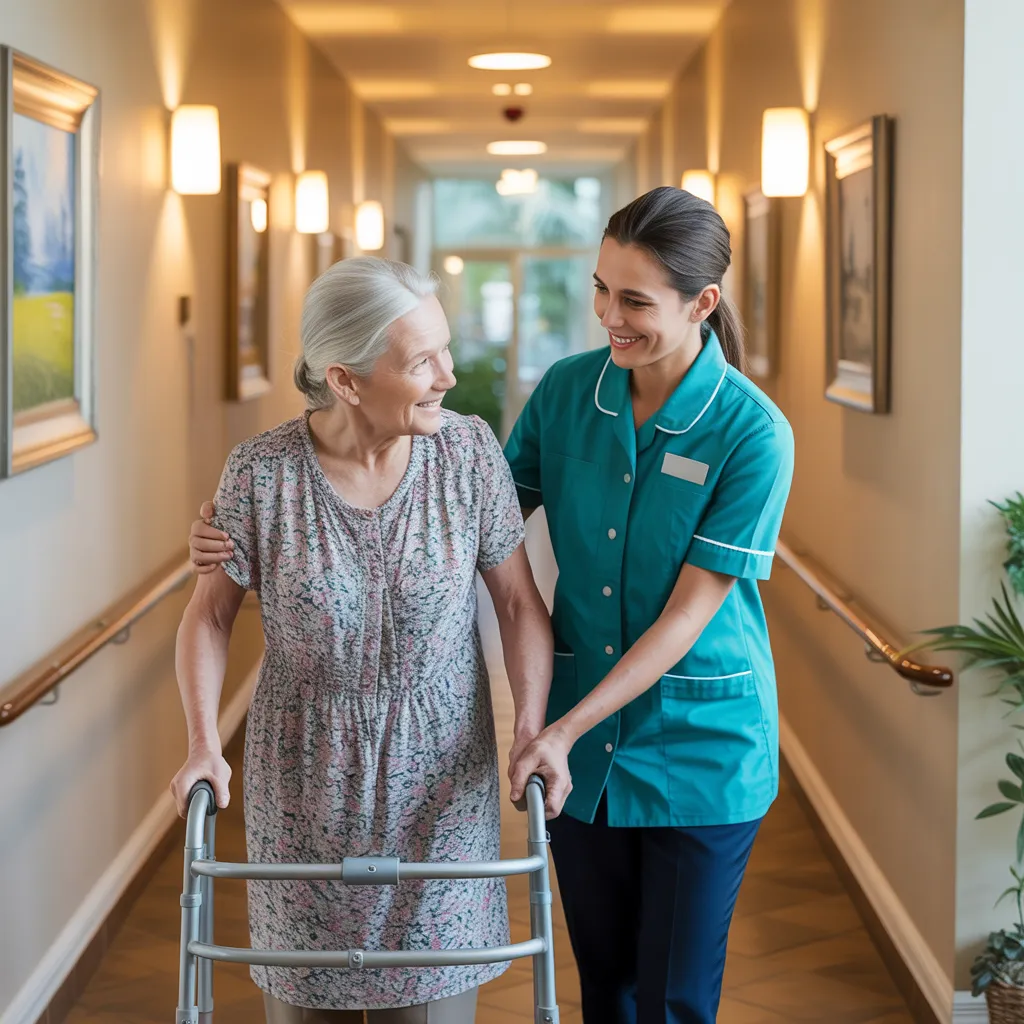
Understanding Memory Care Difficulties: The Need for Advancement
Given the aging population keeps growing, understanding the difficulties associated with memory care becomes crucial. Memory-related conditions, like Alzheimer's and dementia, present unique difficulties that demand tailored approaches. Caregivers often face emotional and physical pressure, as patients may exhibit unpredictable behaviors and different levels of cognitive decline.
Additionally, the lack of cognizance about successful communication methods can obstruct rapport between caregivers and patients, producing irritation on each side. The requirement for intensive training in memory care is critical, as basic caregiving techniques may not address the special requirements of individuals with mental challenges.
Moreover, the negative perception associated with memory disorders can isolate both patients and their families, complicating access to help services. Tackling these challenges through creative approaches and improved learning is essential for enhancing the quality of life for those impacted by memory loss and fostering a more empathetic care environment.
The Impact of Digital Solutions in Memory Care Advancements
Technology is enhancing memory care by introducing advancements in wearable devices and computerized cognitive aids. These breakthroughs enhance oversight and assistance for people experiencing memory loss. By adopting such digital solutions, care providers can more effectively meet the particular requirements of elderly individuals and boost overall quality of life.
Wearable Technology Breakthroughs
Wearable devices has emerged as a transformative instrument in memory care, boosting the quality of life for individuals with memory difficulties. Gadgets including smartwatches and fitness trackers are outfitted with features that observe vital indicators, record physical activity, and deliver alerts for daily tasks. These capabilities not only advance physical health but also support cognitive engagement by encouraging routine and structure. Additionally, GPS-enabled wearables provide peace of mind by allowing caregivers to monitor the location of individuals, minimizing the risk of wandering. The combination of these technologies promotes independence while maintaining safety, making them vital in contemporary memory care strategies. As innovations continue to evolve, wearable technology holds great promise for improving outcomes in this population.
Electronic Data Tools
Innovative cutting-edge memory tools are reshaping the scope of memory care, providing essential support for individuals confronting cognitive challenges. These tools often include easy-to-navigate applications designed to improve memory recall, facilitate communication, and encourage engagement through interactive activities. Technologies such as digital calendars, reminder systems, and cognitive training games empower users to maintain independence while promoting social connections. Additionally, virtual reality experiences offer immersive environments that can enhance memory and emotional wellness. Caregivers also benefit from these tools; they can monitor progress and customize interventions based on individual needs. As technology continues to advance, digital memory tools play a vital role in enhancing the quality of life for seniors, making personalized care more accessible and effective.
Immersive Technology Boosts Memory Retention in Elderly Individuals
VR platforms offers seniors an immersive experience that can markedly strengthen memory recall. By engaging with cognitive activities within these virtual environments, individuals can more effectively enhance their mental faculties. Additionally, customized memory solutions adapted to each senior's experiences can boost the effectiveness of these strategies.
Immersive Experience Gains
As technology keeps evolving, immersive experiences like virtual reality (VR) have emerged as effective means in enhancing elderly memory retrieval. These experiences generate engaging environments that activate cognitive functions, allowing participants to explore familiar places or revisit meaningful moments. Research indicates that VR can initiate emotional responses, which are key for memory retrieval. By immersing seniors in emotionally rich scenarios, VR increases sensory input, making remembering more accessible and vivid. Additionally, the technology offers tailored interactions, adjusting to personal tastes and experiences. VR's interactive nature promotes involvement, fostering social interaction that can enhance cognitive support. Altogether, immersive experiences offer an effective approach for improving mental wellness in aging populations.
Fascinating Intellectual Activities
The adoption of immersive technologies has opened new opportunities for engaging cognitive endeavors that bolster memory retention in seniors. Virtual reality (VR) provides a remarkable platform for seniors to engage in mentally enriching environments that bring back familiar memories and experiences. By placing individuals in strategically crafted scenarios, VR can enhance cognitive engagement and support mental enrichment. Exercises such as virtual travel or interactive games permit seniors to work on recall in a responsive way, fostering both emotional and cognitive connections. Additionally, these experiences can be tailored to individual preferences, additionally enhancing their effectiveness. As seniors journey through these virtual worlds, they can not only exercise their memory but also enjoy social interactions, minimizing feelings of isolation and improving overall well-being.
Individualized Recall Solutions
While many conventional memory interventions focus on uniform activities, customized memory interventions utilizing engaging technology offer a adapted approach that can substantially enhance memory recall in seniors. Virtual reality (VR) applications, for instance, generate immersive settings that elicit particular memories, encouraging seniors to engage with familiar locations from their history. This technology enables affective connections, making memories more retrievable. By tailoring experiences based on individual histories, inclinations, and mental levels, VR can activate neural pathways that might otherwise remain dormant. In addition, these interventions can promote interpersonal interaction, as seniors exchange their experiences with peers or caregivers, further strengthening memory preservation. In conclusion, individualized VR experiences offer a encouraging avenue for enhancing cognitive function in the aging population.
Types of Fascinating Activities for Human Interaction and Intellectual Growth
Encouraging seniors to participate in engagements that foster social interaction and cognitive growth is essential for raising their quality of life. Different activities can successfully serve these goals. Group games such as bingo or trivia encourage teamwork and trigger memory recall, strengthening social bonds among those taking part. Arts and crafts sessions create opportunities for self-expression while developing fine motor skills and creativity.
Book clubs support discussions promoting critical thinking and presenting diverse perspectives, further reinforcing social connections. Music therapy, integrating sing-alongs or instrument playing, can elicit memories and emotions, enhancing cognitive engagement.
Gardening activities not only offer physical exercise but also generate opportunities for teamwork and conversations about nature. Additionally, culinary courses enable seniors to participate in a sensory experience while acquiring fresh abilities. Collectively, these activities establish an rewarding setting that promotes both social engagement and cognitive health, ultimately improving overall well-being.
Community-Based Memory Care Initiatives: Strengthening Care Systems
Community-based memory care programs play an essential role in reinforcing support networks for seniors dealing with cognitive challenges. These programs foster connections among individuals, families, and caregivers, establishing a strong support system that improves the quality of life for participants. By providing multiple offerings, such as educational workshops, support groups, and social activities, these programs enable seniors and their families to navigate the complexities of memory loss together.
Moreover, grassroots initiatives promote acceptance, encouraging seniors to engage with their neighborhoods. This relationship reduces feelings of isolation and fosters a sense of belonging, which is crucial for emotional well-being. Additionally, these programs often coordinate with local organizations, healthcare providers, and volunteers, making certain that resources are readily available and adapted to the unique needs of participants. Ultimately, community-based memory care programs serve as essential lifelines, bolstering resilience and support for seniors battling cognitive decline.
How do you Evaluate the Success of Memory Care Strategies?
Can the success of memory care strategies be accurately assessed? Analyzing these methods necessitates a multifaceted framework. Key metrics include evaluations of cognitive ability, behavioral shifts, and emotional health. Standardized tests, like the Mini-Mental State Examination (MMSE), can quantify mental improvements or declines over the passage of time.
Moreover, input from caregivers offers useful information into daily interactions and social engagement. Watching residents in various settings—both organized programs and leisure periods—can reveal the approaches' impact on quality of life.
Surveys measuring fulfillment among inhabitants and next of kin also function as important indicators of accomplishment. In addition, monitoring admission rates or emergency visits can underscore the effectiveness of preventative strategies.
Frequently Requested Inquiries
How Can You Recognize the Signals That a Aging Parent Needs Memory Support?
Indicators that an senior citizen may require memory care involve recurrent confusion, memory impairment affecting daily life, inability to perform familiar activities, withdrawal from social activities, mood or behavioral shifts, and safety issues in their living environment.
How Might Families Support Seniors in Memory Care?
Families may assist seniors in memory-focused care by maintaining consistent interaction, engaging in activities together, backing individualized solutions, extending emotional reassurance, and nurturing a known space that bolsters security and relationships throughout the duration of care.
What Are the Costs Associated With Memory Care Support?
The price of memory care services typically ranges from $3,000 to $7,000 per month, depending on location and facility amenities. Families often struggle with these costs, requiring careful financial planning and support.
Are there cognitive support options for early-stage dementia?
Yes, different memory care options exist for individuals with early dementia. These may include dedicated memory care residences, daytime activities, and in-home care services tailored to support cognitive health and enhance quality of life.
What's the Best Way to Select a Memory Care Home?
Selecting an suitable memory care facility requires exploring choices, touring facilities, evaluating caregiver credentials, examining safety measures, and reviewing patient programs. Reliable reviews and recommendations can further guide families in choosing wisely.